 Credit: Lucas Gouveia / Android Police
 By
Jade Lassalle
Published 13 hours ago
By
Jade Lassalle
Published 13 hours ago
Jade Lassalle is a Writer for Android Police, based in Hamilton, Ontario. As a dedicated writer and student of technology, Jade offers insight to everyday Android users who are looking to optimize their experience. She creates helpful, relatable content by using a hands-on approach to exploring the many functions and features of Android. Jade believes technology should be accessible to everyone.
Jade’s expertise covers a wide range of topics including technology, music, and reproductive health. Her work can be found at MobileSyrup, Reya Health, and Melodic Magazine.
When she’s not writing, Jade enjoys exploring the city with her family, reading, and crocheting.
Sign in to your Android Police account Add Us On Summary Generate a summary of this story follow Follow followed Followed Like Like Thread Log in Here is a fact-based summary of the story contents: Try something different: Show me the facts Explain it like I’m 5 Give me a lighthearted recapUpgrading your smartphone is both an exciting and daunting prospect.
If you've had the same phone for a while, you probably have everything just the way you like it. Just the words "data transfer" might make you shudder.
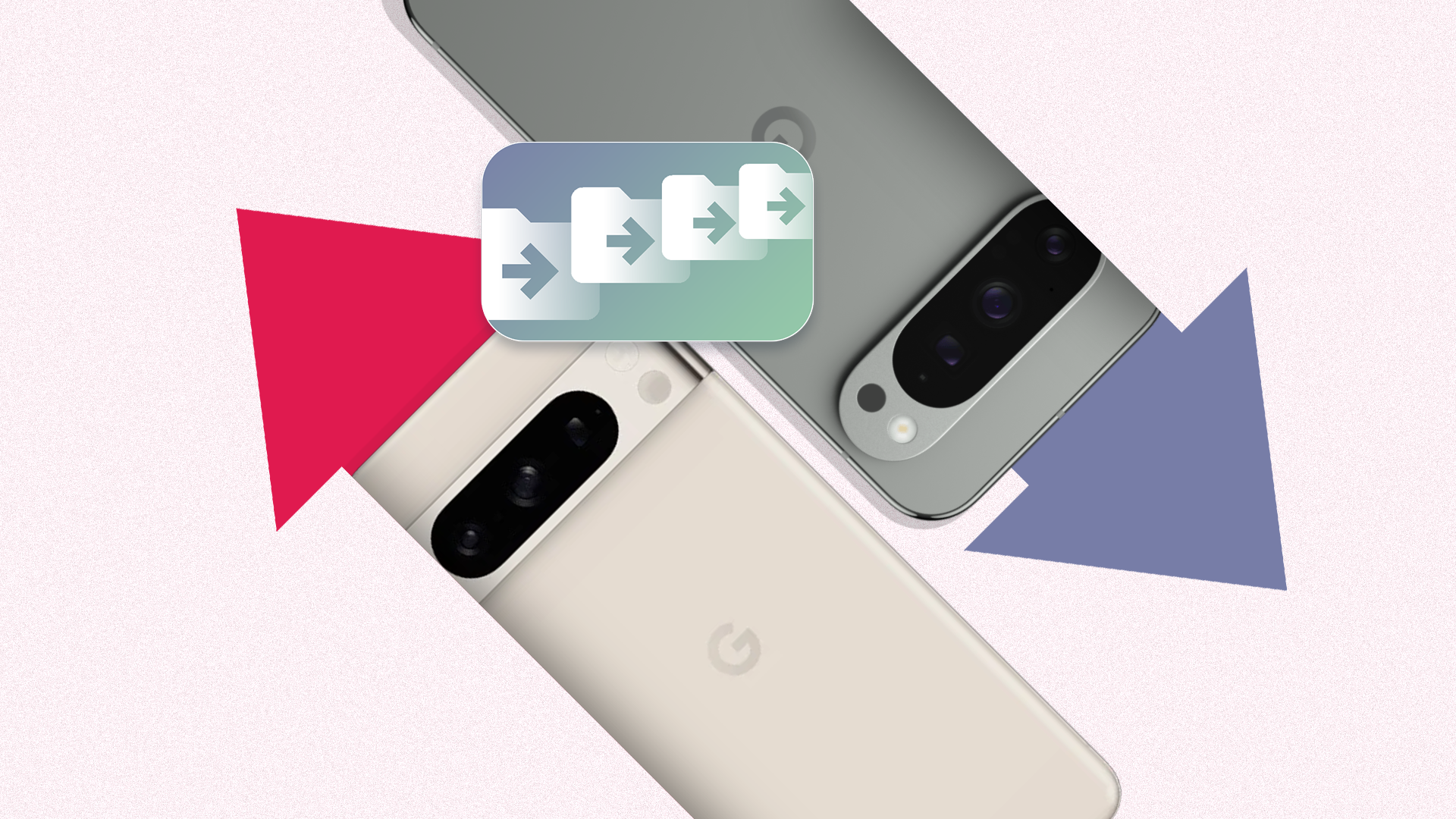
The idea of changing everything is downright annoying, but transferring data to a new phone doesn't have to be a painstaking process, even if you're not tech-savvy.
There are a few simple steps to make your data transfer relatively quick and easy. Using them will help you settle into your new device with as little fuss as possible.
 Related
9 warning signs that indicate it's time to upgrade your phone
Related
9 warning signs that indicate it's time to upgrade your phone
Out with the old, in with the new
Posts 5 By Prarthana GopalBack up everything
Yes, everything. You'll thank yourself later
 Close
Close
Most Android smartphones have a built-in backup option, the vast majority of which are through Google's cloud service.
Backing up your device is important because it allows you to carry all your data to your new device. This includes photos, videos, text messages, apps, and even your settings.
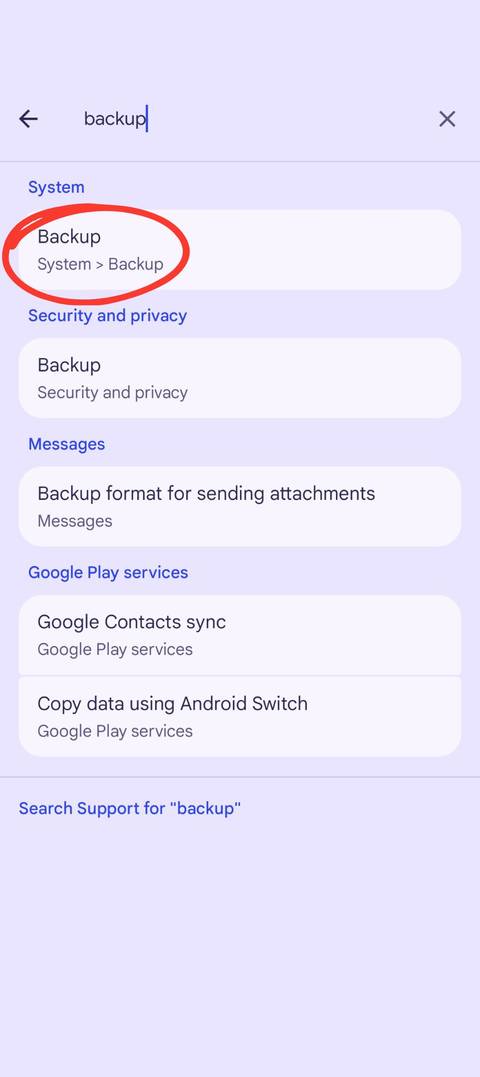
If you're looking for a seamless transition, a full backup is crucial. You can find your backup information by searching for "backup" in the settings app.
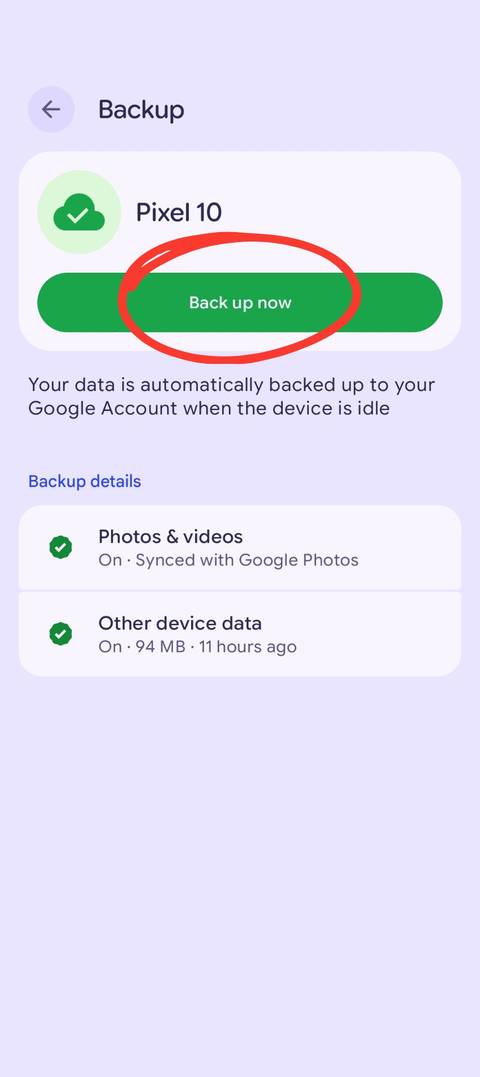
Select the System option, and you'll find a giant, green Back up now button. That's the one you want.
Devices running Android 6.0 or higher have Auto Backup enabled. This feature is designed to back up your device every 24 hours or so, usually overnight, so it doesn't disrupt your day.
If your phone has been doing automatic backups, it shouldn't take longer than 20 to 30 minutes to run a backup before a data transfer.
If you turned off Auto Backup, your backup may take longer, sometimes up to 24 hours, so take the extra time into account.
 Close
Close
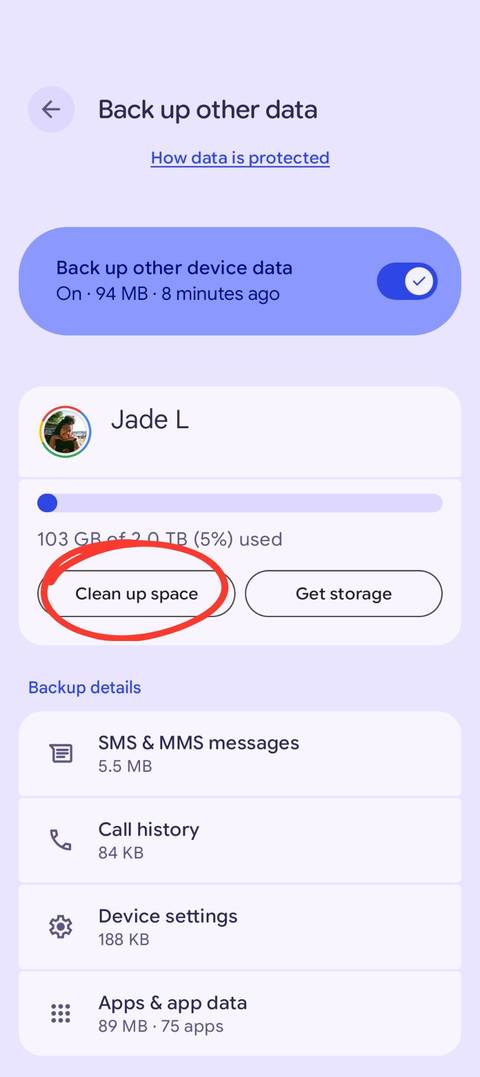
One last thing to consider is storage. Every Google account comes with 15GB of free cloud storage. If you need more, Google One offers 100GB of storage for $2.00 per month.
In the backup menu on your device, you can take a closer look at your backup details to see how much storage you have.
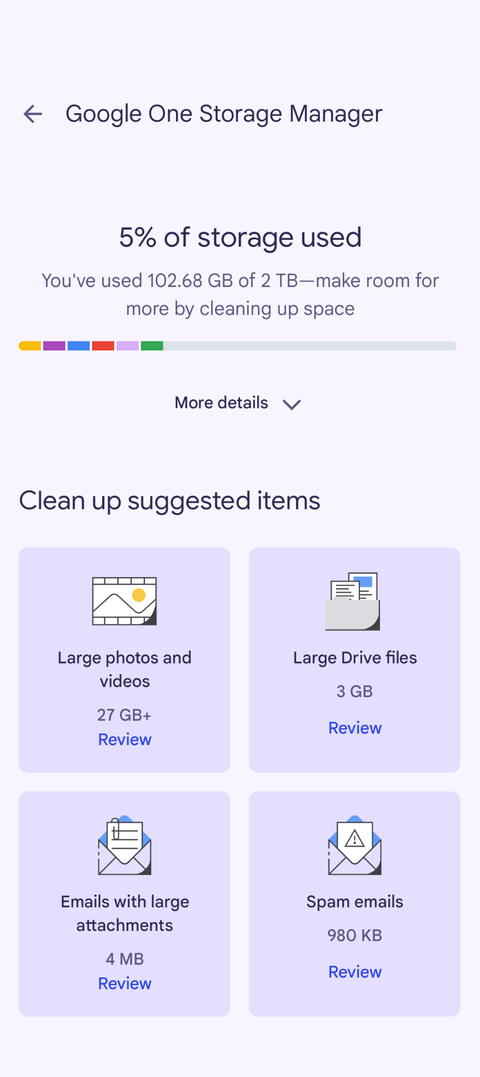
The images above show an account with 2TB of storage, but yours should show 15GB if you've never upgraded your storage.
If you don't want to purchase more storage, you can clean up space with Google One's storage manager.
The storage manager conveniently categorizes suggested items to clean up, making the process very simple and quick.
Check your apps for cross OS compatibility
Some apps don't play very well with others (looking at you, Apple Notes)
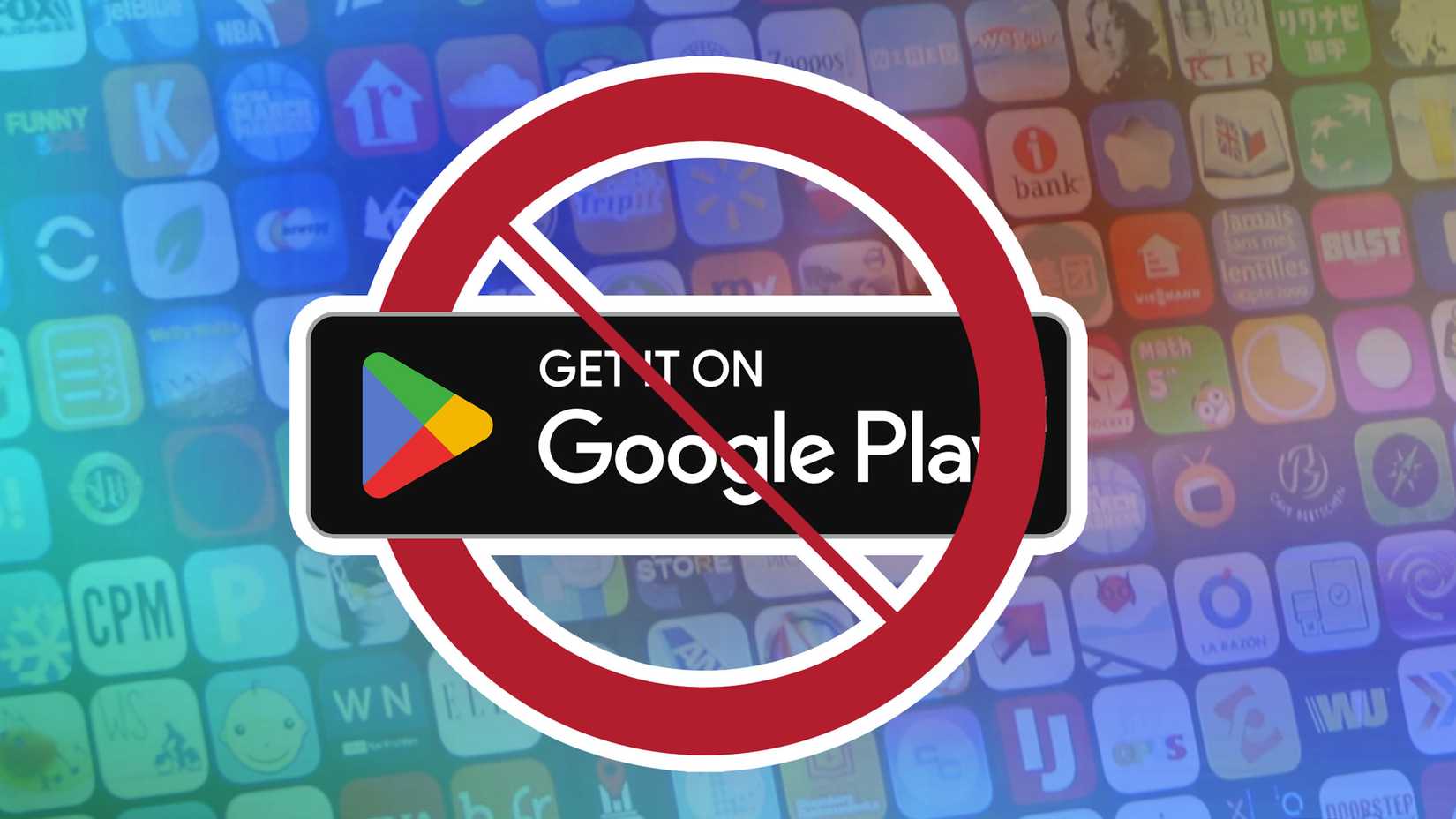
If you are transferring from a different operating system, such as from iOS to Android, it would be wise to check any apps that store important data and ensure they're available on the Google Play Store.
For example, Apple Notes is not available on the Google Play Store.
If you're using an app that isn't available on the operating system you're switching to, find one that is, and transfer your data to that app.
This way, when you transfer your data to your new device, you won't be missing anything from the old device.
Connect both devices to power or fully charge them
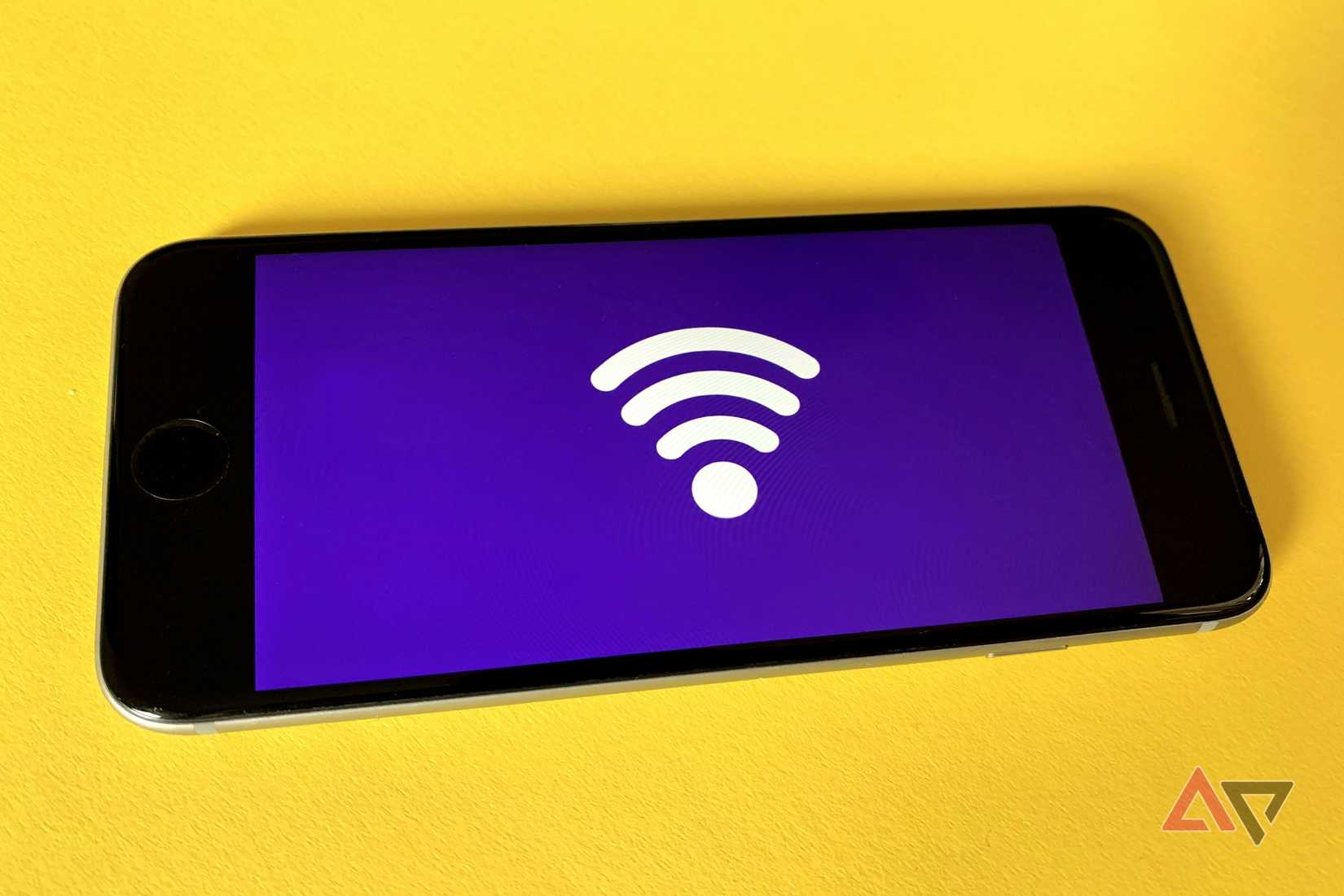
Use a stable Wi-Fi connection
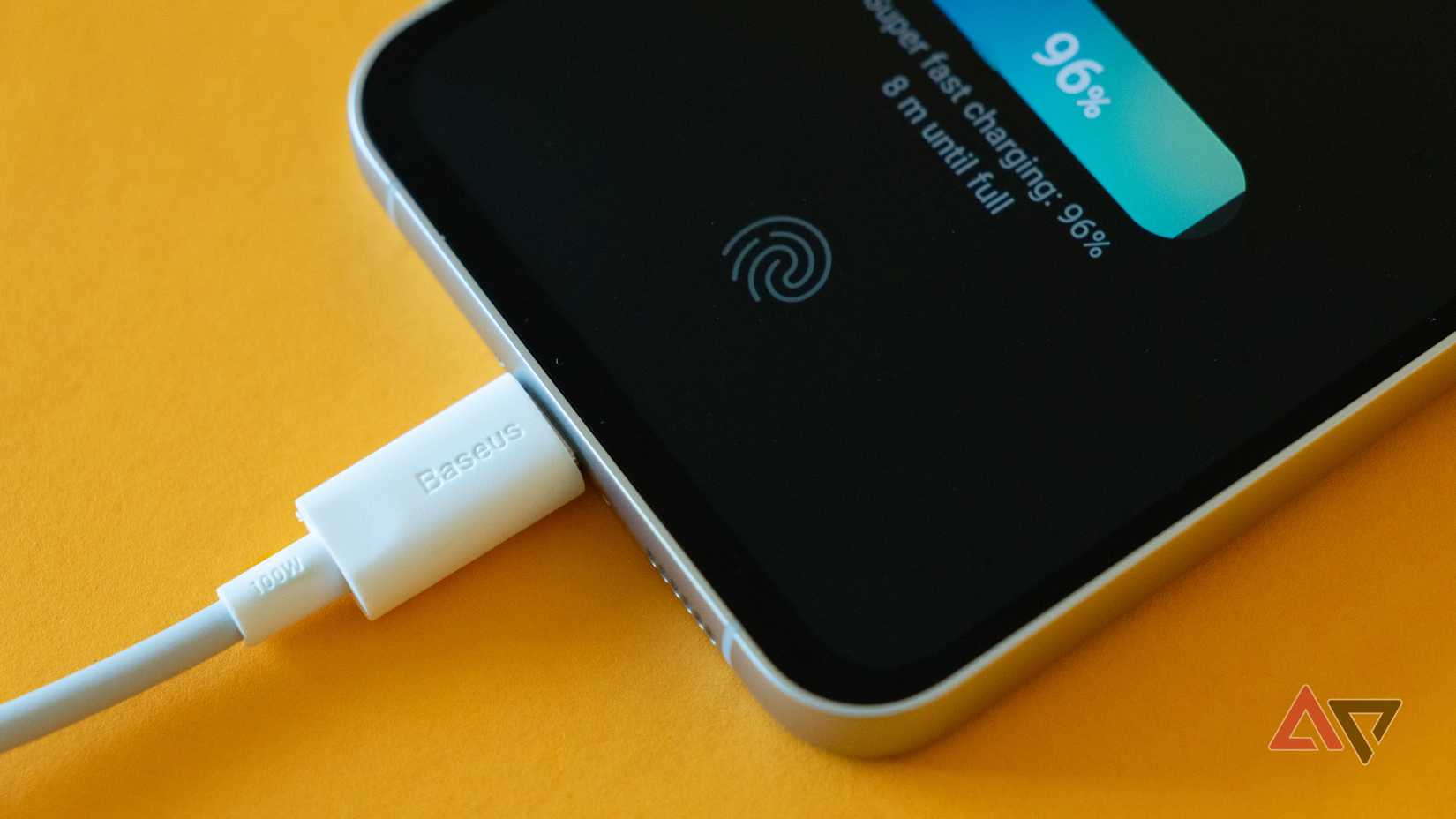
Data transfers can consume a significant amount of battery.
How much battery power you need to complete the transfer is not an exact science.
It depends on several factors, including the overall health of your batteries and the amount of data you're transferring.
Have everything handy before you start to save yourself from having to hunt down cables, bricks, and free outlets. If you're transferring data wirelessly, you'll need a stable Wi-Fi connection.
A data transfer is essentially a giant upload and download from one device to another, and it can use up a lot of mobile data.
 Credit: Jade Lassalle / Android Police | Franck / Unsplash
There are alternative methods to transfer your data without Wi-Fi, but Android Switch or Samsung Smart Switch are the most convenient ways to get the job done, as they're built into your device.
Even if you decide to use a USB-C cable to connect your devices, it is a good idea to have a stable Wi-Fi connection just in case.
Don't wipe your old device right away
Two-factor authentication can be your best friend or your worst nightmare
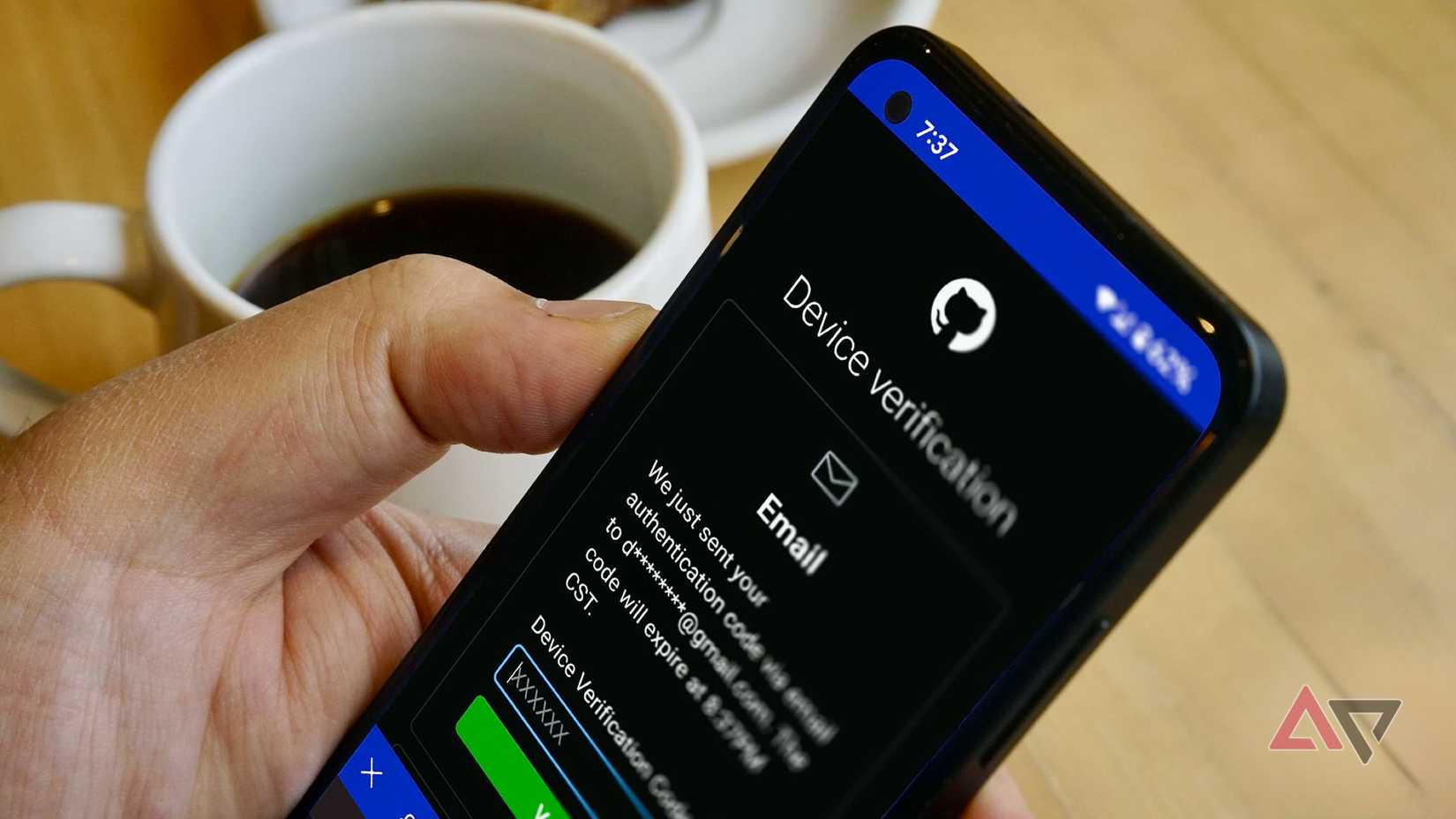
Two-factor authentication (2FA) is a standard security feature that asks for a secondary authentication to prove your identity when you log in to an app or website.
If you're moving devices, 2FA will typically require access to your old device because the authentication codes are tied to the device itself, not your accounts.
If you wipe your device immediately after a transfer, you must resort to alternative and potentially less secure methods, such as email or text messages.
By keeping your old device's data until everything is set up on your new device, you can save yourself time and effort getting back into all your accounts.
Use a password manager
A one-time effort that will save you countless headaches in the future
 Credit: Lucas Gouveia / Android Police
If you're still using the same password for everything or using some combination of your kids' names and birthdates, it's time to upgrade.
Unlock smoother phone transfers — subscribe to our newsletter
Subscribe to the newsletter for practical, step-by-step guidance on backing up, storage cleanup, cross-OS app strategies, password manager setup, and safe device transitions — concrete steps to make upgrading and transferring to a new phone easier. Subscribe By subscribing, you agree to receive newsletter and marketing emails, and accept Valnet’s Terms of Use and Privacy Policy. You can unsubscribe anytime.Using a password manager is not only an excellent way to keep your accounts secure, but it will also save you a significant amount of time and energy when you switch devices.
Some of the most popular password managers include NordPass, Bitwarden, LastPass, and Dashlane.
Most password management services offer basic functions such as encryption, password generation, and autofill for free or at a low cost.
With a password manager, you won't have to think of or remember another password again. Install and set up your password manager before you transfer your data to your new device.
Most major web browsers, including Chrome, Firefox, and Safari, have built-in password managers, but they're limited in terms of features and security.
A dedicated password manager will be more secure and convenient.
The setup can be labor-intensive initially, but the payoff is more than worth it.
To keep things simple, start with the accounts you use most often, and continue to add more as you log back in to other accounts on your new device.
After you've saved them and adjusted your autofill settings, you can log in to just about any account with the click of a button.
Work smarter, not harder
If you're a little bit change-averse and looking to upgrade your device without a large learning curve or adjustment period, proper preparation will make a big difference.
Sometimes, it can't be avoided. For instance, moving from one operating system to another will naturally take some getting used to.
Even then, these tips will help minimize setbacks and interruptions so you can just enjoy your new device as soon as possible.
-
 Phones
 All the preinstalled apps you can safely delete from your Samsung Galaxy phone
 How to find your WhatsApp backups in Google Drive
 How to roll back to an older version of Android